The Influence of Medieval Aesthetics on Modern Fashion
The influence of medieval aesthetics on contemporary fashion is evident through the resurgence of various elements that defined the style of that era. Today’s fashion designers are increasingly looking to the deep historical roots of medieval clothing, drawing inspiration from the distinct characteristics that set it apart. Elements such as rich fabrics, intricate embroidery, and dramatic silhouettes resonate deeply with modern sensibilities, providing a fresh yet nostalgic look for fashion enthusiasts.
One of the hallmarks of medieval fashion is the use of opulent materials. Luxurious textiles like velvet, silk, and brocade were commonly utilized in the creation of garments during this period, reflecting status and wealth. In today’s runway fashion, designers are revisiting these luxurious fabrics, often combining them with contemporary cuts and styles to create a unique and appealing aesthetic. The tactile quality of these materials not only enhances the visual appeal of clothing but also invokes a sense of historical continuity in fashion trends.
Another notable influence is the intricate embroidery that adorned medieval garments. This ornate craftsmanship conveys a level of artistry that resonates with current design philosophies, where individuality and detailed work are highly valued. As designers experiment with embroidery techniques, they invoke the detailed narratives and symbolic references familiar in medieval textiles, thereby enriching modern collections with historical depth. Specific styles, such as cloaks and tunics, are also making a notable comeback on the runway, adapted with contemporary flair to appeal to today’s audience.
In conclusion, the melding of medieval aesthetics with modern fashion showcases the timeless appeal of historical trends. By revisiting the characteristics of medieval clothing, fashion designers are able to create garments that are not only visually striking but also steeped in cultural significance, ensuring that the past remains a vital part of the evolving fashion narrative.
Key Designers Embracing the Medieval Theme
As the Fall 2025 season approaches, several notable fashion designers are drawing upon the rich tapestry of medieval inspiration to craft their collections. This renewed interest in historical aesthetics aligns perfectly with contemporary fashion trends, embedding elements of the past into modern garments. Designers are showcasing their interpretations of medieval styles through innovative techniques and thoughtful details that resonate with today’s audience while paying homage to history.
One of the standout designers in this revival is Alexander McQueen, known for its dramatic silhouettes and eclectic patterns. In the Fall 2025 collection, the label has embraced a color palette reminiscent of the Middle Ages, featuring deep jewel tones such as emerald greens and royal purples, which were commonly worn by nobility in medieval times. Alongside these colors, McQueen has integrated ornate embroidery and unique texture combinations, drawing parallels between contemporary runway fashion and period-specific styles.
Another significant contributor to this trend is Gucci, which has long been known for its ability to merge past and present seamlessly. In its latest collection, Gucci has incorporated medieval-inspired accessories, such as oversized belts adorned with intricate buckles and statement hats resembling those worn by medieval aristocrats. These accessories not only accentuate the garments but also serve as focal points, enhancing the overall aesthetic and providing layers of visual interest that reflect a historical narrative.
Lastly, Vivienne Westwood’s explorations of medieval themes are characterized by her unconventional approach to tailoring. Her Fall 2025 line features asymmetrical cuts and playful draping that allude to the layered garments of the past while maintaining an unmistakable modern flair. Through her work, Westwood highlights the timeless nature of medieval fashion, suggesting that its influence can still inspire contemporary designs.
These designers exemplify how the timeless appeal of medieval inspiration can rejuvenate runway fashion, allowing fashion enthusiasts to engage with history through innovative and stylish interpretations. The blend of historical elements with modern tailoring presents an exciting perspective within current fashion trends.
Runway Highlights: Medieval Fashion in Action
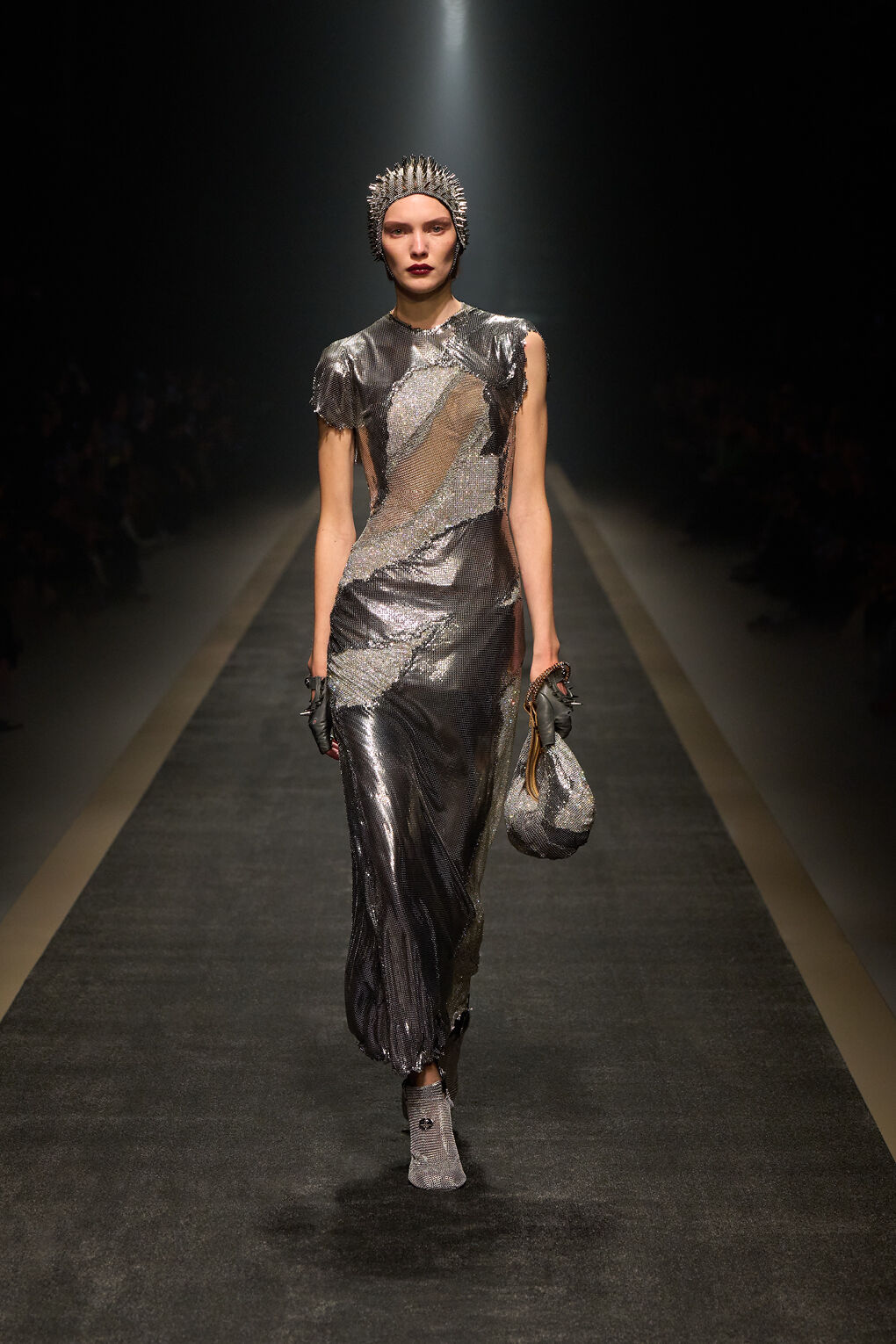
The intersection of medieval inspiration and modern aesthetics has captivated audiences at various fashion weeks this season, culminating in a remarkable display of creativity and craftsmanship. Designers have drawn heavily from the rich tapestry of medieval fashion, infusing collections with elements that resonate profoundly in contemporary contexts. Notably, houses such as Alexander McQueen and Gucci have emerged as frontrunners, showcasing how the silhouettes and textures of the past can successfully resonate on today’s runways.
One of the standout pieces featured at the Paris Fashion Week was a sumptuous velvet gown adorned with intricate beading that echoed the opulence of medieval court attire. The gown’s flowing lines and dramatic sleeves harkened back to the grandeur of royal fashion, yet it was tailored with modern precision. Complementary pieces included structured capes, which not only added volume but also represented the essential layering typical of medieval garb. This juxtaposition of historic and contemporary elements illustrates the versatility of medieval inspiration in today’s fashion trends.
Furthermore, London Fashion Week unveiled collections by several emerging designers who are pushing the boundaries of runway fashion. A notable show featured a collection that highlighted unique silhouettes, reminiscent of tunics and gowns, yet cleverly integrated contemporary fabrics such as neoprene and organza. This innovative use of materials not only provided a fresh take on medieval garments but also enhanced both comfort and wearability. Key accessories, including handcrafted leather belts and ornate headpieces, further contributed to the overall narrative of medieval aesthetics merging with modern design sensibilities.
Overall, the revival of medieval-inspired fashion on the runway has provided a compelling glimpse into how historical styles can be reinterpreted for today’s audience. The bold experimentation with shapes, fabrics, and details has not only paid homage to the past but has also paved the way for exciting new fashion trends that resonate with a wide range of consumers.
The Future of Medieval Fashion in Contemporary Design
The future of medieval fashion in contemporary design presents a fascinating intersection between history and modernity, especially in the realm of runway fashion. As fashion designers continue to explore diverse influences, the rich textures, intricate patterns, and unique silhouettes of medieval attire hold the potential for sustainability and cultural relevance. By blending classic elements with contemporary aesthetics, designers can create garments that not only tell a story but also resonate with today’s values.
One of the key aspects of this revival is sustainability. The fashion industry has increasingly recognized the importance of eco-friendly practices, and the reuse of historical designs is a fitting solution. By sourcing sustainable materials and employing traditional craftsmanship inspired by medieval techniques, contemporary fashion can reduce waste while promoting a slower, more thoughtful approach to clothing production. This integration of historical influence reinforces the idea that fashion is not merely cyclical but can be reinvented to foster environmental consciousness.
In tandem with sustainability, inclusiveness is becoming a central theme among fashion trends. As the focus shifts towards creating designs that cater to a broader audience, the adaptability of medieval fashion can serve as a model. The wide variety of styles, from the flowing gowns of nobility to the practical wear of common folk, offers modern designers a wealth of inspiration. By drawing on these historical garments, fashion can embrace diversity, allowing individuals of all shapes, sizes, and backgrounds to partake in the elegance of medieval-inspired attire.
Looking ahead, the ongoing integration of medieval elements in contemporary fashion will likely continue to evolve. Future designers are poised to draw from this profound history, ensuring its legacy endures in modern wardrobes. As these trends gain momentum, medieval fashion may not only serve as a nostalgic reference but also as a framework for a more sustainable and inclusive fashion industry.